August 3, 2016
High Risk Processing
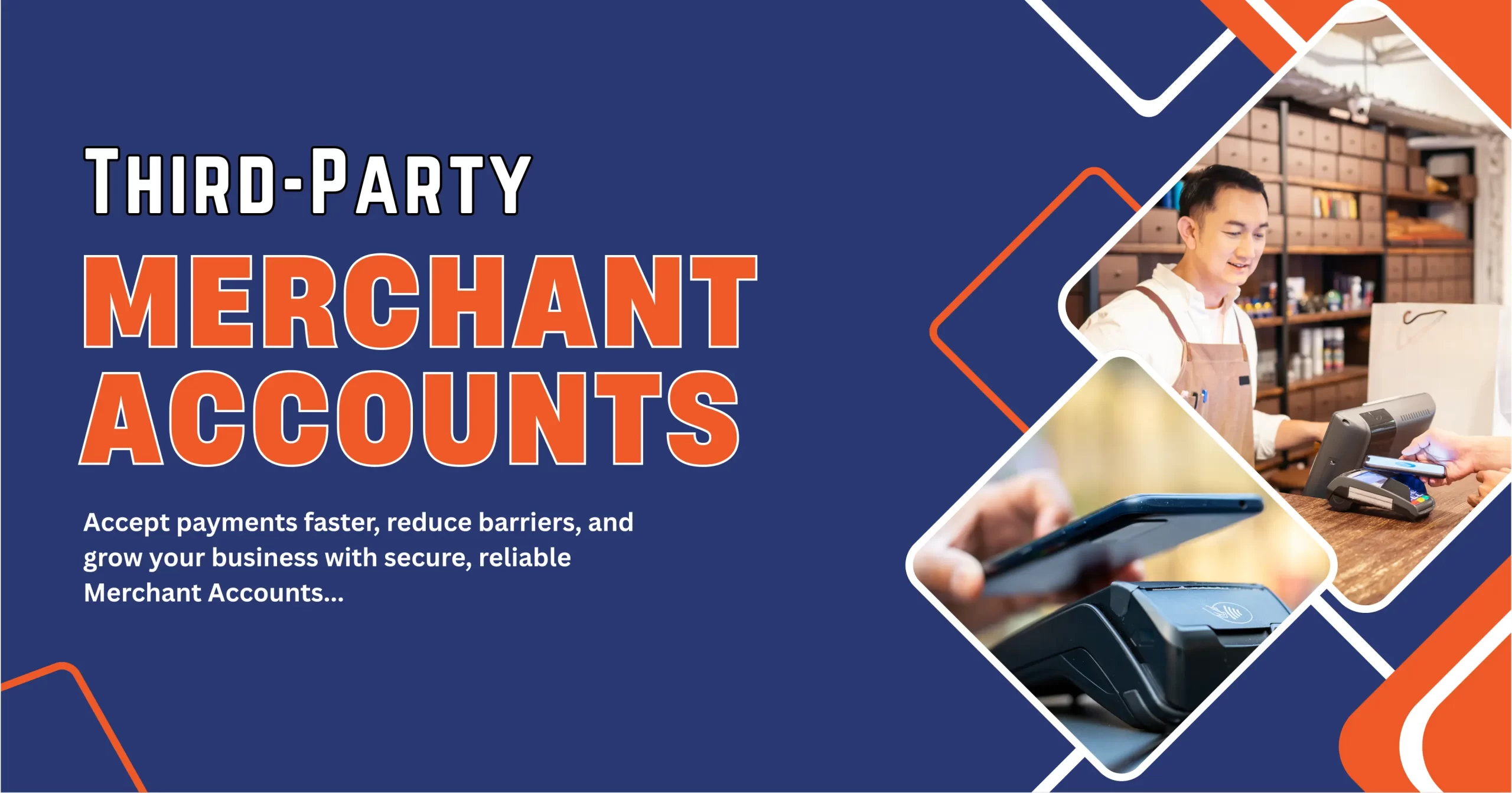
Third-Party Merchant Accounts — Your Key To Reach Target Audience!
“A satisfied customer is the best business strategy of all.” These wise words from Michael LeBoeuf still ring true today. You can offer world-class services, launch innovative strategies, or roll out irresistible deals, but if you can’t win your customers’ trust, all those efforts can quickly lose their impact. So, let’s have an honest conversation about something at the heart of maintaining strong customer relationships in today’s business landscape: merchant accounts.
Let’s Talk the Merchant Way —
Almost every entrepreneur has heard the term merchant account. But here’s the reality: not all can directly accept payments on their website through a dedicated merchant account. Why? Because the approval criteria for direct merchant services can be strict. Many businesses, especially startups or high-risk merchants, find it challenging to meet these requirements.
That’s where third-party merchant accounts come in as a more accessible alternative with fewer barriers to entry.
What Is a Third-Party Merchant Account?
A third-party merchant account is essentially a shared payment processing account managed by a payment service provider (PSP) or aggregator. Instead of having a unique account in your business name, you process transactions under the PSP’s main merchant account.
The provider collects payments on your behalf, processes them, and then transfers funds to your business account, usually on a set schedule.
Key Features of Third-Party Merchant Accounts —
- Easier Approval – Less strict application criteria compared to direct merchant accounts, making them suitable for new businesses or those with low credit.
- Shared Account Structure – Transactions from multiple merchants flow into one main account, which the provider manages.
- Regulated Operations – Compliance with Visa, MasterCard, and financial regulations ensures legitimacy.
- Payout Schedules – Funds are disbursed weekly, bi-weekly, or monthly, depending on the provider’s policy.
- Offsite Checkout Process – In some cases, customers are redirected to the payment provider’s site to complete transactions.
When a Third-Party Merchant Account Makes Sense —
These accounts are particularly valuable in situations like:
- New or Unregistered Businesses – When your business is not yet recognized by major payment networks or is incorporated in a location with limited payment support.
- High-Risk Classification – If your business sells products like software, supplements, travel packages, or high-ticket items, or has high chargeback rates.
- Past Account Terminations – If you’ve been blacklisted for non-compliance or policy violations, you may need to rebuild credibility through a third-party provider.
- Low Credit or Startup Phase – Ideal for building a processing history before applying for a direct merchant account.
The Pros and Cons —
Pros:
- Lower entry barriers
- Quick setup process
- Minimal paperwork
- Good for testing new markets or products
Cons:
- Higher transaction fees than direct merchant accounts
- Limited control over payment processes
- Potential delays in payouts
- Shared risk—issues with other merchants on the account could affect you
Why One Size Doesn’t Fit All?
Every business is different. The right payment processing solution depends on your industry, transaction volume, risk level, and long-term goals. That’s why it’s smart to compare options, read provider terms carefully, and seek expert guidance before committing.
FAQs About Third-Party Merchant Accounts —
Q1. What’s the difference between a third-party merchant account and a direct merchant account?
A direct merchant account is in your business’s name and offers more control, while a third-party account is shared under the provider’s name and is easier to get approved for.
Q2. How long does it take to set up a third-party merchant account?
Usually within 24–72 hours, depending on the provider and documentation.
Q3. Are transaction fees higher with third-party merchant accounts?
Yes, typically they are slightly higher to cover the provider’s risk and service costs.
Q4. Can I switch to a direct merchant account later?
Absolutely. Many businesses start with a third-party account and upgrade once they meet the criteria for a direct account.
Q5. Is my business money safe with a third-party merchant provider?
Yes, if you choose a reputable provider that complies with PCI-DSS standards and financial regulations.
Q6. Do third-party merchant accounts support multiple payment methods?
Yes, most reputable providers support credit cards, debit cards, ACH payments, and even digital wallets like Apple Pay and Google Pay.
Q7. Can I use a third-party merchant account for international sales?
Often yes, but it depends on the provider’s supported countries and currency options. Always confirm before signing up.
Q8. Will customers know I’m using a third-party merchant account?
Sometimes, especially if the checkout page redirects to the provider’s site. Some providers offer white-label solutions to keep your brand visible.
Q9. How are disputes and chargebacks handled?
The third-party provider usually manages disputes on your behalf, but you may need to provide documentation to support your case.
Q10. Is there a sales volume limit with third-party merchant accounts?
Yes, some providers set monthly or per-transaction limits, especially for new merchants, to manage risk. These limits may increase over time with good performance.

More related blogs
- B2B Payment Processing
- Digital commerce
What is Visa’s Digital Commerce Authentication Program (DCAP) — Everything you need to know! 
- B2B Payment Processing
- Digital commerce

- Payment Solutions
- Financial risk management
Why ACH and Credit Card Limits Are Quietly Killing Merchant Growth?
- Payment Solutions
- Financial risk management

- payment processing
- eCommerce payment plugins
Simplify Payment Plugin Integration for Online Businesses!
- payment processing
- eCommerce payment plugins


