April 30, 2024
Finance
Decoding Business Merchant Account — A Comprehensive Guide!
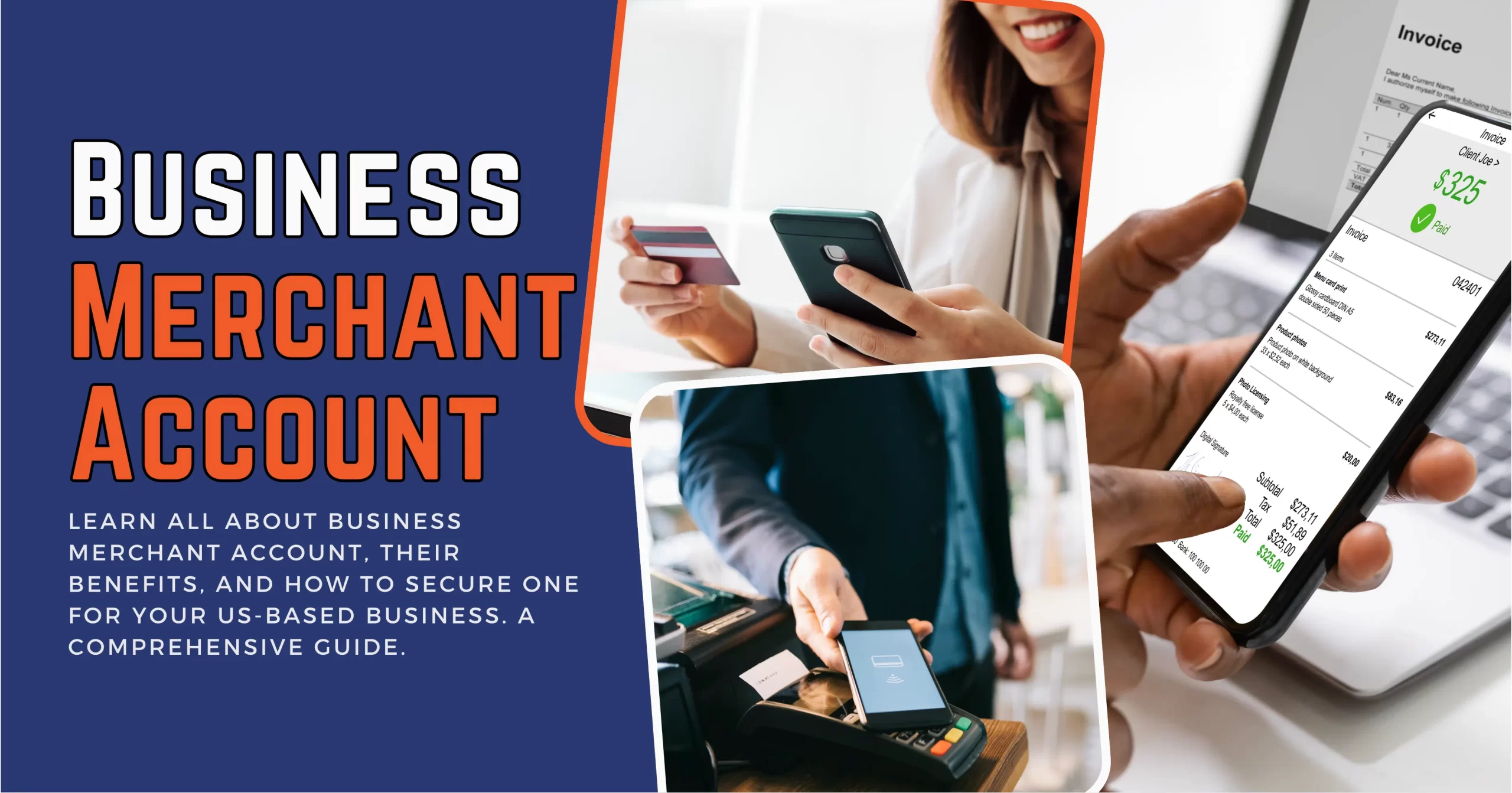
A business merchant account is an essential component for any business that wants to accept debit or credit card payments. It is essentially a form of bank account that enables a business to accept credit or debit card payments. In this tutorial, we’ll go over everything you need to know about business merchant accounts, including how they function, what they offer, and how to get one for the business you run in the United States.
What is a Business Merchant Account?
A business merchant account is a specialized bank account that enables businesses to accept credit or debit card payments. When a consumer makes a purchase with a credit or debit card, the monies are placed in the merchant account and then transferred to the company’s regular bank account.
How Does a Business Merchant Account Work?
When a consumer makes a purchase using a credit or debit card, the card information is processed by a payment gateway, which then communicates with the card issuer to confirm the transaction. After the transaction is approved, monies are sent from the customer’s account to the merchant’s account. The merchant can then move the funds from the merchant account to their regular bank account.
Benefits of Having a Business Merchant Account —
Having a business merchant account offers several benefits, including:
- Increased Sales: By accepting credit and debit card payments, businesses can attract more customers and increase sales.
- Convenience: Card payments are quick and convenient for both customers and businesses, leading to a smoother checkout process.
- Credibility: Accepting card payments can enhance a business’s credibility and professionalism in the eyes of customers.
- Global Reach: With a merchant account, businesses can accept payments from customers around the world, expanding their reach.
- Reduced Risk: Compared to cash transactions, card payments are more secure and reduce the risk of theft or fraud.
How to Get a Business Merchant Account in the US —
Getting a business merchant account in the US involves several steps:
- Choose a Merchant Account Provider: Research and choose a reputable merchant account provider that meets your business’s needs.
- Gather Required Documents: Prepare the necessary documents, such as business registration documents, tax identification number, and banking information.
- Submit an Application: Complete the application process with your chosen merchant account provider, providing all required documents and information.
- Undergo Underwriting: The provider will review your application and assess the risk of offering you a merchant account.
- Set Up Payment Gateway: Once approved, set up a payment gateway to process card transactions.
- Start Accepting Payments: After completing the setup process, you can start accepting credit and debit card payments from your customers.
Expert Tips for Getting a Business Merchant Account —
- Compare Providers: Compare rates, fees, and services offered by different merchant account providers to find the best fit for your business.
- Negotiate Fees: Don’t be afraid to negotiate fees with your provider to get the best possible deal.
- Ensure Security: Choose a provider that offers robust security measures to protect against fraud and data breaches.
- Read the Fine Print: Carefully review the terms and conditions of your merchant account agreement to avoid any surprises or hidden fees.
Common Misconceptions About Business Merchant Accounts —
There are several misconceptions about business merchant accounts that can lead to confusion. Let’s debunk some of the common myths:
- Merchant Accounts Are Only for Large Businesses: While larger businesses often use merchant accounts, they are also beneficial for small and medium-sized businesses looking to expand their payment options.
- Merchant Accounts Are Expensive: While there are fees associated with merchant accounts, the cost can vary depending on the provider and the volume of transactions. Many providers offer competitive rates and fee structures to suit different business needs.
- Approval Process Is Difficult: While the approval process for a merchant account involves some steps, it is not overly complex. As long as your business is legitimate and you provide the required documentation, approval is typically straightforward.
- Merchant Accounts Are Only for Online Businesses: While merchant accounts are essential for online businesses, they are also useful for brick-and-mortar stores. Accepting card payments can enhance the customer experience and streamline the checkout process.
Tips for Maintaining a Business Merchant Account —
Once you have obtained a business merchant account, it’s important to maintain it properly. Here are some tips to help you make the most of your merchant account:
- Monitor Transactions: Regularly review your transaction history to detect any unusual activity or discrepancies.
- Stay Compliant: Ensure that your business complies with all relevant regulations and standards, such as PCI DSS (Payment Card Industry Data Security Standard), to protect customer data.
- Update Information: Keep your merchant account provider updated with any changes to your business information, such as contact details or banking information.
- Provide Excellent Customer Service: A positive customer experience, including smooth and secure transactions, can help build trust and loyalty among your customers.
- Review Fees Regularly: Periodically review the fees and rates associated with your merchant account to ensure they are competitive and align with your business’s needs.
Conclusion —
In conclusion, a business merchant account is essential for accepting card payments, boosting credibility, and staying competitive in today’s digital economy. Choosing the right provider and following best practices ensures secure, seamless transactions and long-term growth.

More related blogs
- Online Credit Card Processing
- Data Authentication
What is Visa’s Digital Commerce Authentication Program (DCAP) — Everything you need to know! 
- Online Credit Card Processing
- Data Authentication

- Credit Card Authorization
- Risk mitigation
Why ACH and Credit Card Limits Are Quietly Killing Merchant Growth?
- Credit Card Authorization
- Risk mitigation

- Credit Card Settlement
- digital payment trends USA
Simplify Payment Plugin Integration for Online Businesses!
- Credit Card Settlement
- digital payment trends USA


