March 22, 2021
pharmacy merchant account
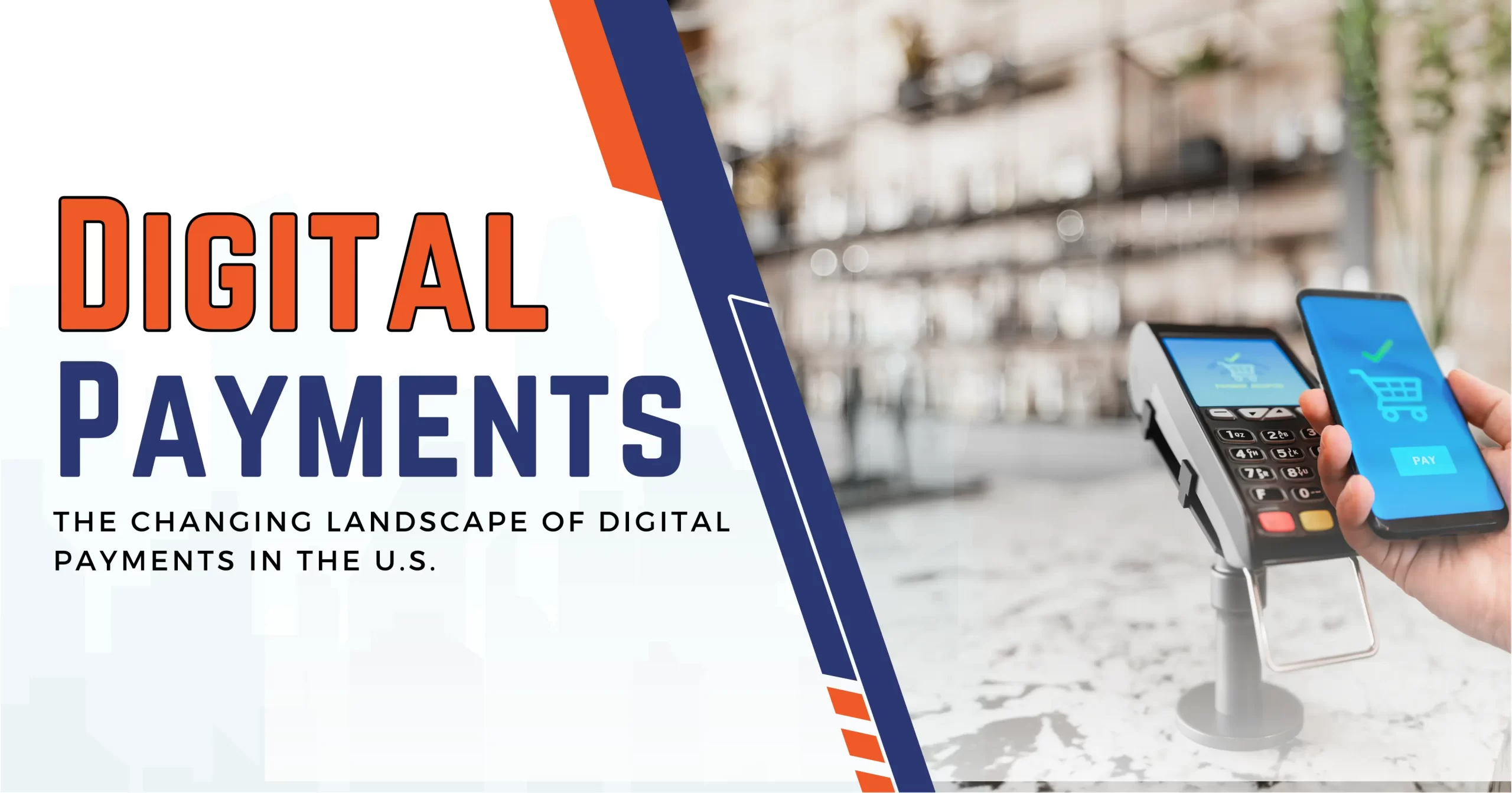
The Changing Landscape of Digital Payments in the U.S.
Digital Payments have transformed how Americans shop, pay, and transfer money. But here’s the catch—along with convenience comes higher exposure to fraud. In fact, industry experts like Forrester reported that over 61% of U.S. payment leaders believe that new payment technologies bring fresh vulnerabilities.
Even with advanced cybersecurity, fraudsters continue to find loopholes. Studies suggest that card-not-present fraud, common in e-commerce transactions, is expected to rise significantly in the coming years. For U.S. merchants, this means fraud prevention is no longer optional; it’s central to survival.
What Payment Leaders Are Saying —
Surveys conducted during and after the COVID-19 pandemic revealed eye-opening insights:
- 94% of U.S. businesses reported a rise in fraud attempts during the pandemic.
- 83% ranked fraud and chargeback prevention as the most crucial investment in payment technology.
- High-risk industries, like travel, subscription services, and gaming, continue to face disproportionately high levels of payment disputes and chargebacks.
This clearly shows U.S. businesses are prioritizing fraud protection technologies to safeguard revenue and customer trust.
Why High-Risk Businesses Are Vulnerable —
High-risk Businesses, such as those in online gaming or subscription-based models, often see higher-than-average chargeback rates. Common issues include unclear product descriptions, hidden fees, and unmet shipping commitments.
The good news? These risks can be minimized with proactive strategies:
- Transparent communication with customers.
- Clear refund and recurring billing policies.
- Accurate shipping timelines.
- Partnering with payment processors that specialize in high-risk industries.
Providers like Paycron have emerged, offering dedicated fraud and chargeback prevention guidance for merchants who face frequent disputes.
The Top Fraud Trends Impacting U.S. Payments —
Fraud takes many forms, but surveys highlight the biggest concerns:
- Credit card testing fraud (55%) – Fraudsters use stolen card details to test small transactions.
- Gift card fraud (16%) – Exploiting anonymous prepaid cards.
- Refund fraud (13%) – Customers abusing return policies to claim false refunds.
Credit card testing is particularly damaging in the U.S. e-commerce market. Fraudsters often make multiple small purchases across different platforms to verify stolen card details before using them for larger, high-value orders.
To fight back, U.S. merchants increasingly rely on fraud detection software, IP blocking, device fingerprinting, and AI-powered monitoring.
Is Financial Data Theft Rising in the U.S.?
Unfortunately, yes. The rise of online shopping has created a playground for fraudsters who exploit weak links in payment systems. Stolen credit card data is bought and sold on the dark web, with U.S. merchants often targeted as testing grounds.
Once a card is validated through “test transactions,” fraudsters quickly escalate to expensive purchases, leaving businesses to absorb the chargeback losses.
The impact isn’t just financial; it damages brand reputation, erodes trust, and puts compliance with U.S. financial regulations at risk.
Social Commerce & Digital Payments —
Looking ahead, social commerce shopping directly via platforms like Instagram, TikTok, and Facebook is expected to skyrocket in the U.S. In fact, surveys predict that over 96% of businesses expect digital payments and social commerce to dominate the next decade.
Interestingly, 57% of U.S. respondents foresee significant growth in digital wallets like Venmo, Zelle, and PayPal, which are now integrating stronger fraud protection tools.
But here’s the kicker: while digital wallets help, false chargebacks (also called “friendly fraud”) remain one of the costliest challenges. That’s why fraud prevention must go hand-in-hand with identity verification.
The Role of Regulations and Verification Systems —
Financial regulators in the U.S., along with international bodies such as the FATF, have tightened rules on KYC (Know Your Customer) and AML (Anti-Money Laundering) compliance. U.S. payment processors are now expected to verify customer identities rigorously before approving transactions.
Traditional manual checks are no longer efficient. That’s where AI-driven digital identity verification comes in. With real-time facial recognition, biometric checks, and document scanning, businesses can authenticate customers within seconds, reducing fraud and staying compliant with U.S. regulations.
Building Trust Through Better Communication —
Beyond tech, one of the simplest ways to reduce disputes is effective communication. When businesses:
- Provide clear product descriptions,
- Outline refund and recurring charges policies, and
- Stick to promised delivery timelines,
They naturally reduce customer confusion and prevent disputes from escalating into chargebacks.
This approach, combined with advanced fraud prevention technologies, creates a trust-driven digital payments ecosystem, exactly what the U.S. market needs.
People also Ask:
Q1. Why is card-not-present fraud so common in the U.S.?
U.S. e-commerce transactions rely heavily on remote payments without physical card verification, making them easier targets for fraudsters.
Q2. What industries are most impacted by chargebacks?
High-risk sectors such as travel, gaming, subscription services, and digital goods face the highest levels of disputes.
Q3. How can small U.S. businesses fight fraud?
They can adopt fraud detection software, use address verification services (AVS), require CVV checks, and work with processors offering chargeback management tools.
Q4. Do digital wallets like Venmo and PayPal prevent fraud?
Yes, to an extent. They add an extra security layer, but businesses still need fraud prevention tools and policies to tackle chargebacks and false claims.
Q5. What’s the future of fraud prevention in digital payments?
AI-powered verification, behavioral biometrics, and real-time monitoring are expected to become industry standards in the U.S. payment space.

More related blogs
- ACH Payment Processing
- online invoicing
The Ultimate Expert Guide to Text to Pay and Payment Links for Service Businesses. 
- ACH Payment Processing
- online invoicing

- Finance
- VAMP ratio
How Payment Risk Is Actually Assessed by Processors — Beyond Credit Scores!
- Finance
- VAMP ratio
- Pos
- Transaction security
What is Visa’s Digital Commerce Authentication Program (DCAP) — Everything you need to know!
- Pos
- Transaction security


