December 22, 2022
B2B Payment Processing
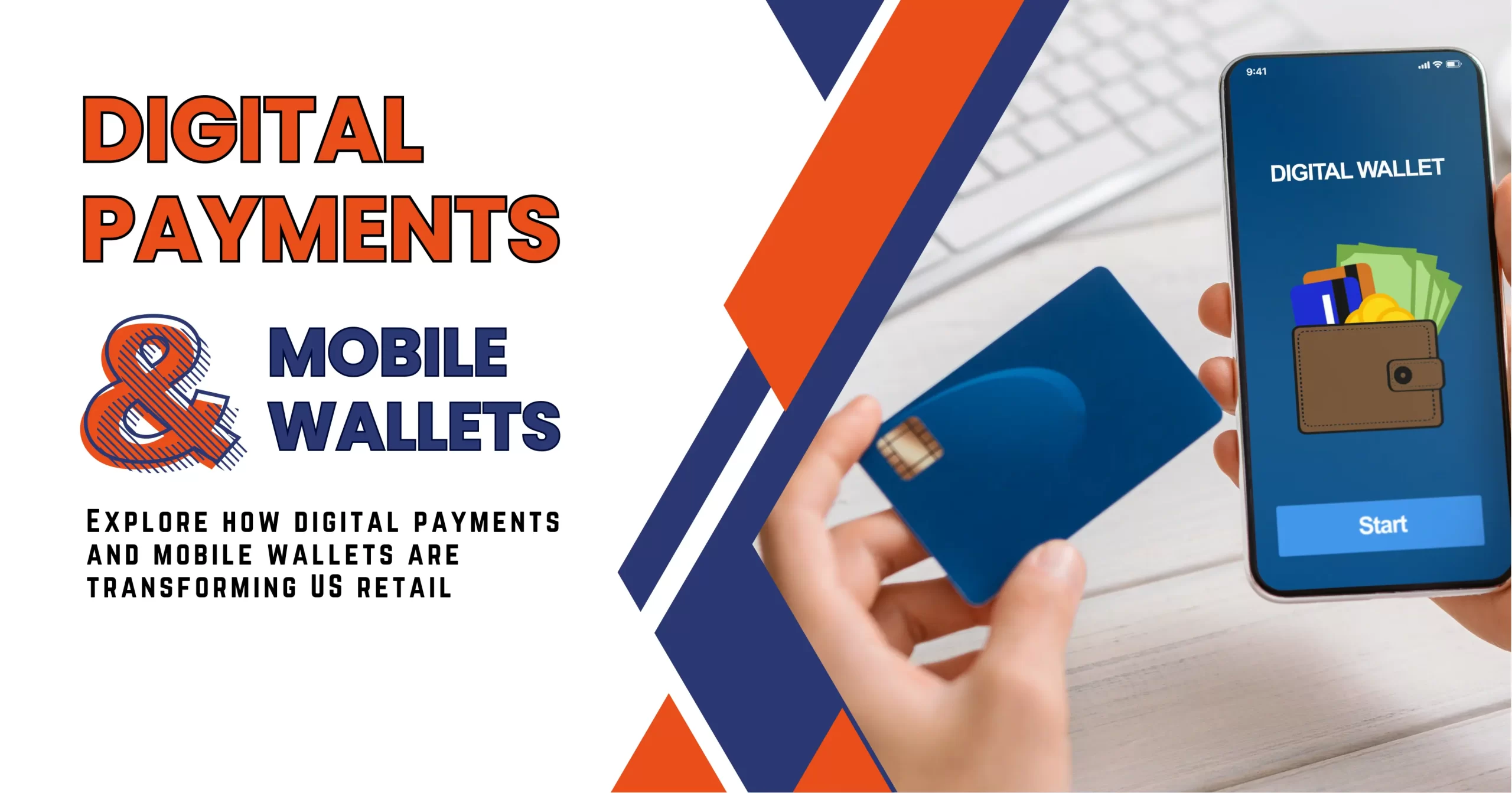
Digital Payments & Mobile Wallets in Retail!
Walk into a store in the US today, and you’ll likely see a “Tap to Pay” sticker on the checkout counter. Just a few years ago, that wasn’t so common, but by the early 2020s, digital payments had gone from niche to mainstream. What’s driving the shift? A combination of smartphone adoption, improved security, and customers who value speed and convenience.
Interestingly, the US came a little late to the mobile wallet party compared to countries like China, where Alipay and WeChat Pay have dominated for years, and nearly cashless Sweden. But once US consumers got comfortable with contactless cards, the jump to mobile wallets was quick, and now, it’s reshaping retail in a big way.
What Is a Mobile Wallet?
In simple terms, a mobile wallet is your debit or credit card, just without the plastic. You store your card details securely in an app like Apple Pay, Google Pay, or Samsung Pay and pay with a tap of your phone or watch.
One big selling point for US users is security. With biometric authentication (like Face ID or fingerprints) and tokenization that replaces your real card number with a one-time code, fraud risk is significantly reduced.
Why Digital Payments Took Off in the US —
1. Convenience:
For years, US shoppers relied heavily on credit cards, so shifting to digital payments wasn’t a huge leap, just a simpler one. No more fumbling for cash, signing receipts, or carrying multiple cards.
2. Speed:
In fast-paced US retail environments, think coffee shops, grocery stores, and big-box retailers, checkout speed matters. Digital payments cut transaction times down to seconds.
3. Security:
Tokenization, encryption, and two-factor verification make digital payments in the US safer than traditional swipe transactions, which are more vulnerable to skimming.
The Retailer’s Perspective in the US —
US retailers see digital payments as more than just a payment method; it’s a customer engagement tool. With mobile wallets, stores can send loyalty offers, discounts, and personalized promotions directly to customers’ devices.
On the compliance side, US businesses adopting mobile wallets must meet PCI DSS standards, ensure EMV compliance, and maintain robust encryption to protect payment data.
US vs. Other Countries: Digital Payments Landscape —
- China: Over 80% of transactions in urban areas happen via mobile wallets. Payments are fully integrated with social media and e-commerce.
- Sweden: On track to be cashless by 2030, with Swish and card-based mobile apps dominating.
- US: A strong credit card culture initially slowed early adoption, but NFC technology, pandemic-driven contactless habits, and retailer upgrades have accelerated growth since 2020.
- India: Rapid rise through UPI (Unified Payments Interface) and QR code systems driven by mobile-first banking.
While the US lags slightly behind the most advanced digital payment markets, it’s closing the gap quickly—especially as younger generations skip physical wallets entirely.
Final Thoughts —
Digital payments in the US are no longer just an alternative; they’re becoming the default. With better security, faster checkouts, and integration into loyalty programs, mobile wallets are redefining the shopping experience.
For US retailers, the message is clear: upgrading POS systems to accept a wide range of digital payment options isn’t just future-proofing, it’s staying competitive today.
Q&A Session:
Q1: Are digital payments safer than using a card in the US?
Yes—digital payments use encryption and tokenization, making them more secure than swiping or inserting physical cards.
Q2: How does US adoption compare to Asia or Europe?
The US started slower but is catching up fast, driven by NFC adoption, pandemic habits, and retailer upgrades.
Q3: Can I use my US mobile wallet abroad?
Yes, if the merchant accepts your wallet’s payment network (Visa, Mastercard, Amex) and supports contactless payments.
Q4: Do all US retailers accept mobile payments?
Not yet—but adoption is growing rapidly, especially among national chains, restaurants, and service providers.
Q5: Which digital payment apps are most popular in the US?
Apple Pay, Google Pay, PayPal, and Samsung Pay lead in the US market.

More related blogs

- B2B Payment Processing
- BOI
How the Corporate Transparency Act Affects Merchant Account Approvals? 
- B2B Payment Processing
- BOI

- Payment Processor
- PCI compliance audit
What Is PCI DSS 4.0 Level 1 Certification and Why Is It Important?
- Payment Processor
- PCI compliance audit
- Business Licensing & Permits
- how to pass payment processing underwriting as an LLC
How Your Business Structure Shapes Payment Processor Approval in 2026?
- Business Licensing & Permits
- how to pass payment processing underwriting as an LLC


