February 9, 2023
Payment gateway
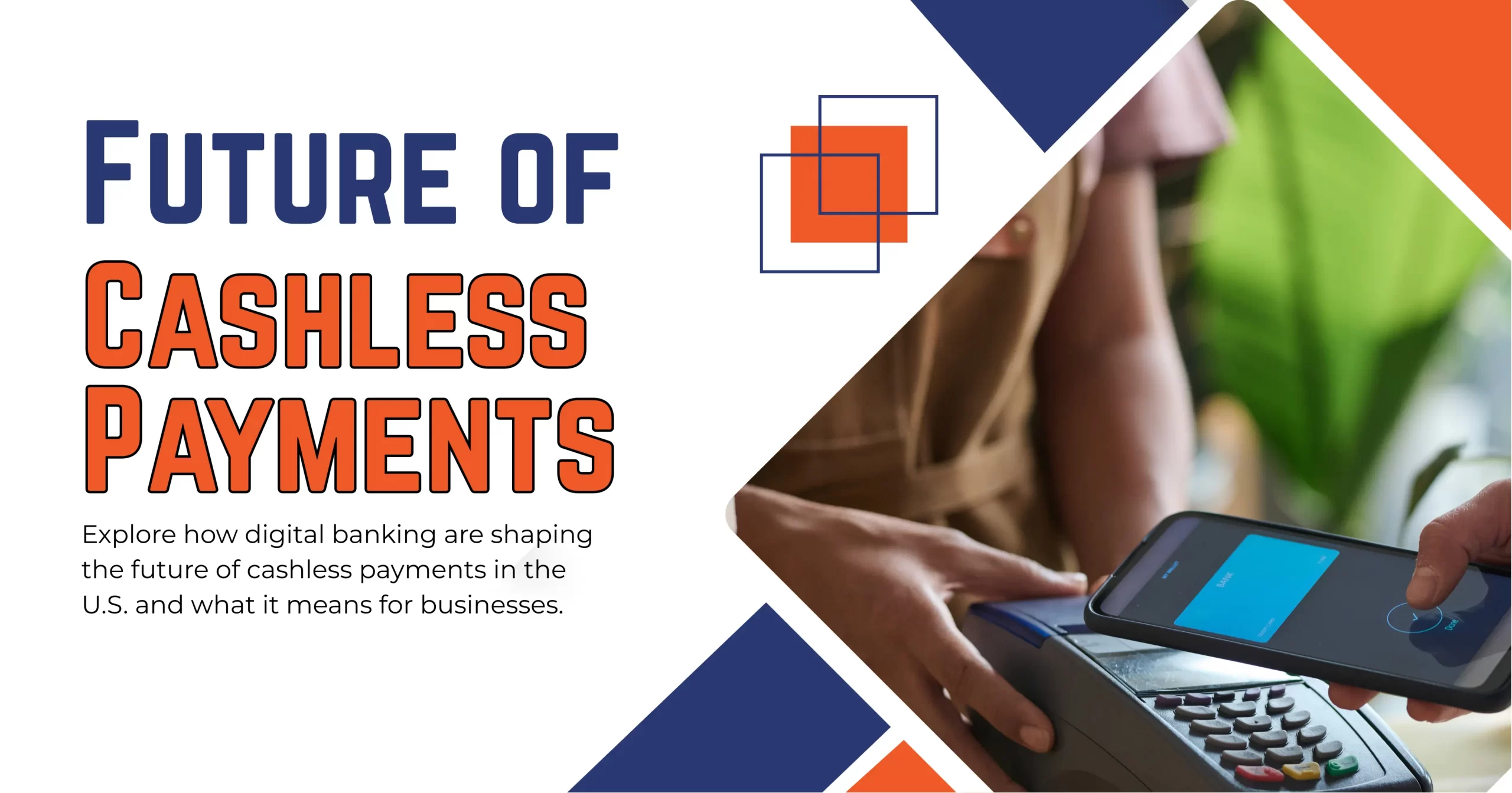
The Future of Cashless Payments in the US!
If you’ve noticed yourself reaching for your phone instead of your wallet lately, you’re not alone. In the U.S., the future of cashless payments is clearly being shaped by mobile and digital options, think contactless payments with smartphones, smartwatches, and even payment-enabled rings, alongside online and mobile banking.
This shift didn’t just happen overnight. It has been steadily building for years, but it really picked up speed during the COVID-19 pandemic. At the time, contactless transactions were seen as a safer way to pay, reducing the need to touch bills, coins, or card readers. Businesses leaned into this change, too, quickly expanding their acceptance of digital payments.
Why Digital Payments Took Off —
So, what’s fueling this rapid growth in the U.S.? Several key factors come into play:
- Convenience first: Carrying less cash (and even fewer cards) makes life simpler. With a quick tap or scan, payments are done.
- Safety during COVID-19: The pandemic accelerated the adoption of touch-free options, as both businesses and consumers wanted to limit contact.
- Innovation by tech and banks: From Apple Pay and Google Pay to Venmo and Zelle, technology companies and financial institutions are making digital payments faster, more secure, and more widely available.
- Biometric authentication: Fingerprint scans and facial recognition are now mainstream, adding extra layers of security without sacrificing ease of use.
The Benefits That Matter Most —
Let’s break down why cashless payments have become such a win for both consumers and businesses:
- Convenience that sticks: Digital wallets and mobile apps let you pay anytime, anywhere, without fumbling for cash.
- Fraud prevention: Since transactions are digitally recorded and encrypted, it’s easier to catch and prevent fraud.
- Financial inclusion: For unbanked and underbanked communities, prepaid cards and mobile wallets provide a bridge into the financial system.
- Built-in tracking: Every transaction leaves a digital trail, making budgeting and expense management a breeze.
- Cost savings for businesses: Less cash handling means fewer expenses around counting, storing, and transporting money.
- Greener footprint: Digital transactions reduce the demand for paper currency production.
- Faster operations: Whether it’s at the checkout counter or online, payments are completed in seconds.
- New revenue models: Micropayments, subscription billing, and in-app purchases have opened fresh opportunities for businesses.
Will Cash Really Disappear?
Here’s the thing: while digital is definitely the direction we’re heading, cash isn’t going to vanish anytime soon. Certain groups, such as older Americans or those without steady access to banking, still rely on physical currency. In fact, the Federal Reserve continues to report that cash plays a crucial role in small-value, everyday transactions, particularly in rural areas.
So, while we may see fewer people pulling out bills at checkout, cash will remain part of the payment ecosystem for the foreseeable future.
What’s Next for the U.S. Payments Landscape?
Looking ahead, it’s clear that digital payments will continue to dominate. Innovations like tap-to-pay debit cards, QR code payments, and peer-to-peer payment apps will become even more seamless. Banks, regulators, and fintech companies are also working to improve security and access, ensuring digital payments are safe and reliable for everyone.
The government and financial institutions will play a major role by setting up the right infrastructure, ensuring compliance, and protecting consumers. And as technology keeps evolving, the user experience will only get better faster transactions, smarter fraud detection, and even more personalized payment solutions.
FAQs — Cashless Payments in the U.S.:
Depending on the platform, businesses may pay small transaction fees for credit cards, mobile wallets, or peer-to-peer apps, though many find the benefits outweigh the costs.
Yes, but access can be limited if internet connectivity is weak. Some providers are working on solutions to expand digital payment access in underserved regions.
Digital payments create a record of every transaction, which is great for tracking expenses—but it also raises questions about data collection and privacy protections.
Yes. Agencies like the Federal Reserve and Consumer Financial Protection Bureau (CFPB) oversee aspects of digital transactions to protect consumers and ensure system stability.
Most international credit cards, mobile wallets, and payment apps are accepted, making it easy for visitors to use cashless options while traveling in the U.S.
Digital systems often include built-in tipping prompts, which can change customer behavior and sometimes increase tips for service workers.
Yes. Prepaid debit cards and reloadable digital wallets are available for unbanked individuals, offering them access to many cashless systems.
Fintech companies drive innovation by creating faster, cheaper, and more user-friendly payment solutions, often pushing traditional banks to modernize.

More related blogs

- Finance
- Merchant Account Underwriting
How the Corporate Transparency Act Affects Merchant Account Approvals? 
- Finance
- Merchant Account Underwriting

- Credit Card Fraud Detection
- network segmentation
What Is PCI DSS 4.0 Level 1 Certification and Why Is It Important?
- Credit Card Fraud Detection
- network segmentation
- Financial Services
- how to prevent merchant account rejection for high-risk businesses
How Your Business Structure Shapes Payment Processor Approval in 2026?
- Financial Services
- how to prevent merchant account rejection for high-risk businesses


