September 21, 2022
pharmacy merchant account
Your Ultimate Guide To Know About Paydex Score — Read To Know More!
It is generally seen that a business’s PAYDEX® Score typically ranges from 1 to 100 and is directly related to the business’s payment performance. As Dun & Bradstreet (D&B) reveals, a higher PAYDEX Score generally indicates that the business makes payments on time or even early. That’s why potential partners, investors, and lenders often assess your business’s D&B Score to help determine the parameters of your future relationship.
So, give this a read to learn more about the PAYDEX Score — and how it’s even connected to your payment processor.
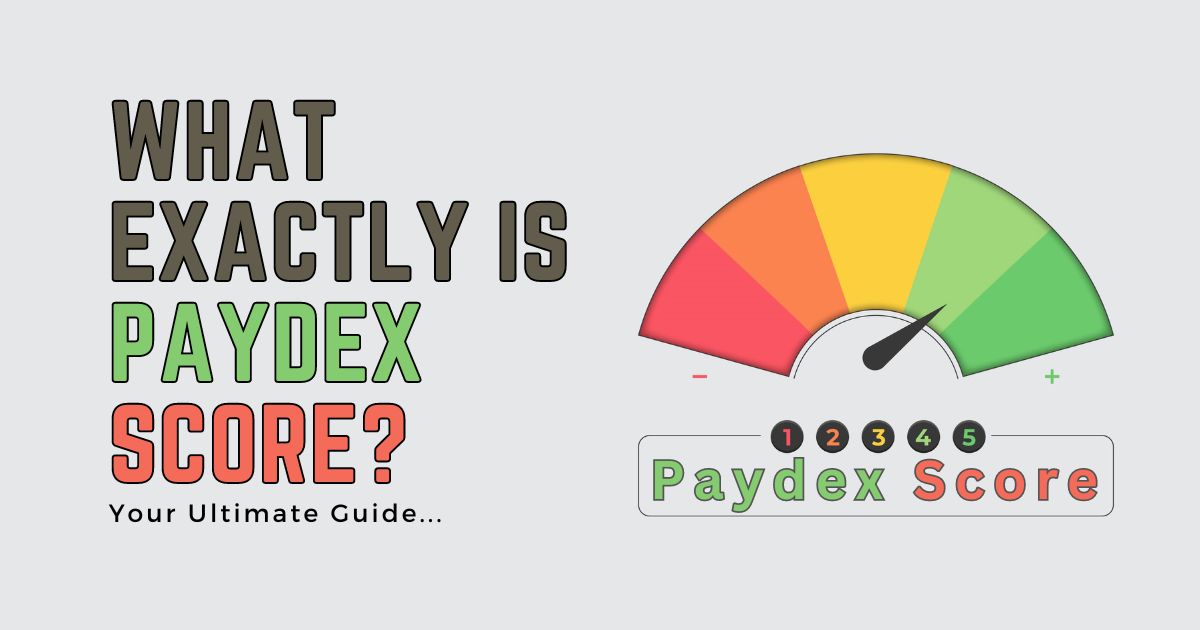
What Exactly Is a PAYDEX Score?
A PAYDEX Score is a numerical representation of your business’s past payment performance. It reflects the timeliness and accuracy of payments to suppliers, vendors, and creditors. According to D&B’s official PAYDEX guide, the score ranges from 1 to 100 — the higher the number, the better your payment history appears.
How Does a PAYDEX Score Work?
According to Dun & Bradstreet’s methodology, PAYDEX Scores are based on payment experiences reported by suppliers and vendors — known as “Trade Experiences.” These experiences can be positive (for early or on-time payments) or negative (for late payments). To generate a score, D&B typically requires at least three trade experiences from two different reporting companies.
This data is then dollar-weighted — larger transactions influence your score more than smaller ones.
How Is the PAYDEX Score Calculated?
The score is calculated based on payment timeliness, as shown in this simplified breakdown:
| PAYDEX Score | Payment Behavior |
| 100 | Payments made 30 days early |
| 90 | Payments made 20 days early |
| 80 | Payments made on time |
| 70 | Payments made 15 days late |
| 60 | Payments made 22 days late |
| 50 | Payments made 30 days late |
| 40 | Payments made 60 days late |
| 30 | Payments made 90 days late |
| 20 | Payments made 120 days late |
| 1–19 | Payments made more than 120 days late |
For full scoring details, see D&B’s PAYDEX Score chart.
PAYDEX Score Ranges You Should Know:
Your PAYDEX Score fits into three general risk categories, per D&B’s business credit rating breakdown:
- 1 to 49 – High Risk: Businesses may pay invoices 90 days late or more.
- 50 to 79 – Medium Risk: Businesses may pay up to 30 days late.
- 80 to 100 – Low Risk: Businesses are considered reliable, paying on or before the due date.
Why Is the PAYDEX Score Important?
Suppliers, lenders, and partners use your PAYDEX Score to assess financial risk and payment reliability. Businesses with high scores may qualify for better terms — like net 60 instead of net 30 — giving them extra days to pay invoices, improving cash flow flexibility.
What’s Considered a Good PAYDEX Score?
A PAYDEX Score of 80 or higher is considered excellent, indicating that your business consistently pays its bills on time or early. At a minimum, aim for a score of 75, which is typically seen as a strong baseline for maintaining credibility and low financial risk.
How to Check Your PAYDEX Score?
You can monitor your PAYDEX Score via D&B’s CreditSignal® or Business Credit Advantage, both of which provide real-time credit monitoring.
Easy Ways to Improve Your PAYDEX Score —
Improving your PAYDEX Score involves consistent financial discipline. Here’s how:
- Make Early Payments
Don’t just pay on time — aim to pay early whenever possible. Early payments drive your score up quickly.
- Monitor Credit Reports Frequently
Regularly check your business credit file via tools like CreditSignal to ensure payment records are accurate.
- Ensure Vendors Report to D&B
Confirm that your vendors and suppliers are reporting your payment activity. D&B can only reflect what’s reported to them — a key point emphasized in their credit-building resources.
Final Thoughts —
A strong Dun & Bradstreet PAYDEX Score reflects your business’s commitment to financial responsibility and trustworthiness. It serves as a key metric in building long-term relationships with lenders, vendors, and partners. By paying invoices early, monitoring your credit activity, and ensuring your payment behavior is being reported, your business can establish a strong financial reputation that unlocks more opportunities.

More related blogs

- E-commerce Payment Processing
- secure checkout
What is Visa’s Digital Commerce Authentication Program (DCAP) — Everything you need to know! 
- E-commerce Payment Processing
- secure checkout

- B2B
- high-risk merchant
Why ACH and Credit Card Limits Are Quietly Killing Merchant Growth?
- B2B
- high-risk merchant

- Online Checkout
- U.S. payment processing
Simplify Payment Plugin Integration for Online Businesses!
- Online Checkout
- U.S. payment processing


