June 21, 2016
Pos
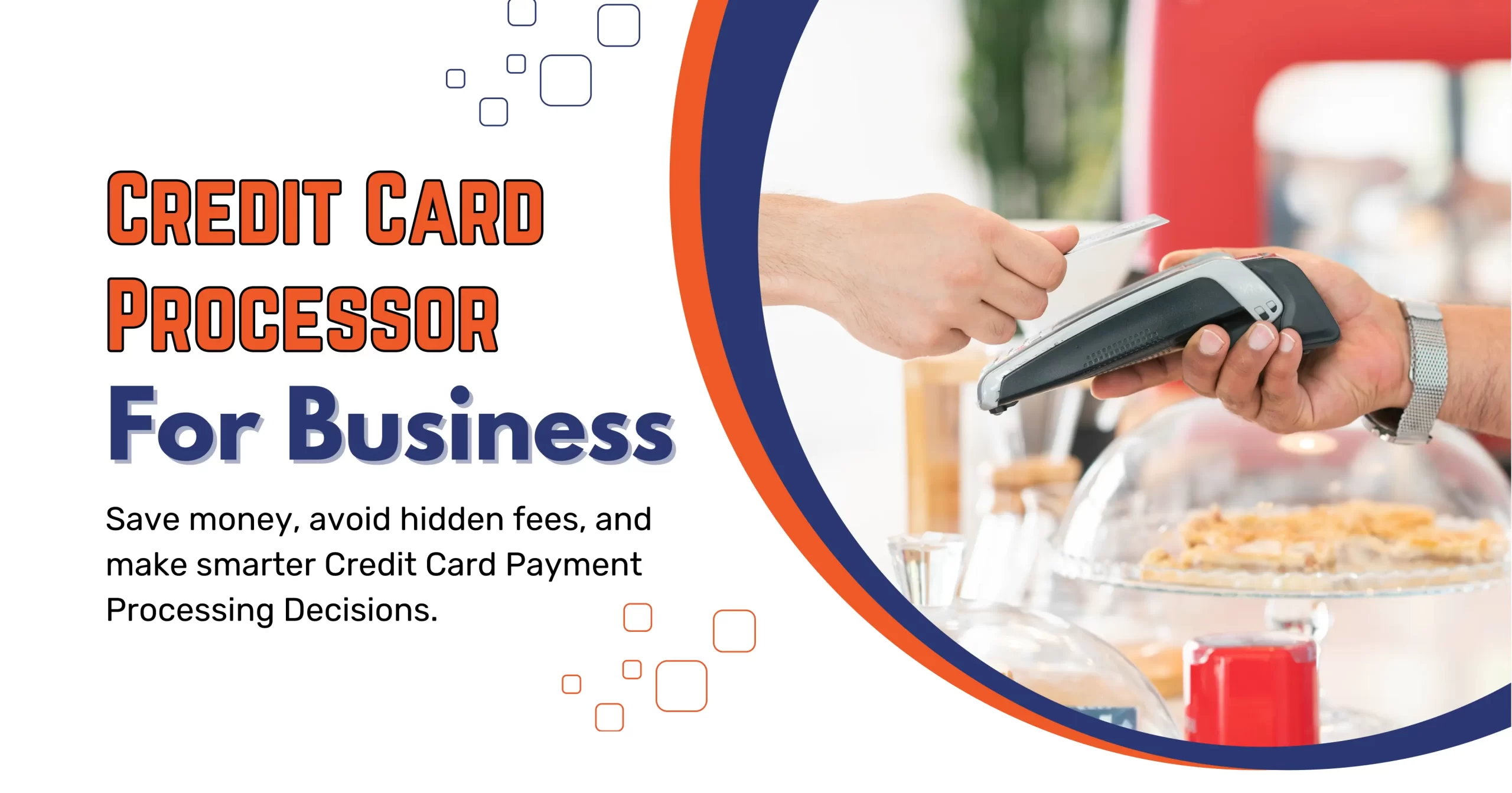
Credit Card Processor Mistakes Small Businesses Should Avoid!
Small businesses have been going online for years to reach customers far and wide, and with that shift comes the need for reliable, secure, and affordable ways to accept payments. Whether a customer shops online from miles away or walks into your store, offering easy and secure payment options builds trust and boosts sales. Many business owners jumped at the chance to start accepting credit cards online without fully understanding what they were signing up for. The excitement is understandable, but a rushed decision can lead to unexpected costs and headaches later on. Here’s a friendly, plain-language guide to help you avoid the most common mistakes when choosing your credit card processor.
1. Skipping the Terms and Conditions —
Most of us skim long documents. But when it comes to your credit card processing contract, skipping the fine print is like agreeing to a deal blindfolded. Hidden fees, early termination penalties, and surprise charges can be buried in the details.
Tip: Take the time to read the contract carefully. Look for things like:
- Upfront costs
- Early termination fees
- Equipment lease terms
- Monthly minimums
If something isn’t clear, ask your provider’s representative to explain it in plain English before you sign.
2. Ignoring Hidden Fees and Penalties —
Some providers charge extra for things like premium card types, certain transaction methods, or account cancellations. These “surprise” fees can add up fast, especially for new businesses working with tight budgets.
Tip: Monitor your statements regularly. If you see unexpected charges, address them immediately. And before you choose a provider, ask for a complete breakdown of all possible fees—not just the advertised rate.
3. Agreeing to Unrealistic Volume Requirements —
Some processors require you to process a minimum amount of sales each month. Miss that target, and you could face higher rates or penalty fees.
Tip: If you’re a new business without a predictable sales volume, avoid these clauses or negotiate a lower target that matches your reality.
4. Overlooking Rate Fluctuations —
Your processing rate isn’t always set in stone. Rates can change due to industry shifts, card network updates, or provider policies. While most providers give notice, those small changes can chip away at your profits over time.
Tip: Check your contract for how and when rates can change. If possible, choose a provider that offers rate-lock guarantees for a certain period.
5. Choosing the Wrong Plan for Your Needs —
Credit card processors often offer multiple pricing plans. Some are great for businesses with high transaction volumes; others work better for low-volume merchants. Picking the wrong one can mean overpaying every month.
Tip:
- If you have many small transactions, a plan with lower per-transaction fees might help.
- If you have fewer, larger transactions, a flat monthly fee could be more cost-effective.
- Always compare plans based on your actual sales data, not just provider marketing.
6. Failing to Consider Customer Support Quality —
Here’s something many forget: when your payment system goes down, you need help fast. Poor customer support can mean delayed sales and frustrated customers.
Tip: Look for processors with 24/7 customer service and multiple support channels—phone, chat, and email.
7. Not Checking Security and Compliance Standards —
Payment security isn’t optional—it’s your responsibility. If your processor doesn’t follow PCI DSS (Payment Card Industry Data Security Standards), your business could face fines or even data breaches.
Tip: Confirm that your provider is PCI-compliant and uses secure, encrypted payment systems.
Conclusion —
Choosing a credit card processor isn’t just about finding the lowest rate—it’s about understanding the full agreement, knowing the potential costs, and selecting a plan that supports your growth. Most processors are honest and professional, but the responsibility to protect your business rests with you. Read the contract, ask questions, and make sure the provider is a good fit for your needs now and in the future.
Credit Card Processor Red Flag Checklist —
Before You Sign, Watch Out For:
- Hidden Fees – Unexplained charges for upgrades, card types, or early termination.
- Long Contracts – Multi-year agreements with steep cancellation penalties.
- High Monthly Minimums – Sales volume requirements you may not meet.
- Rate Hike Clauses – Terms allowing rates to change without clear notice.
- Expensive Equipment Leases – Overpriced terminals or gateways you could buy cheaper outright.
- Poor Customer Support – Limited hours or slow response times when problems arise.
- Non-PCI-Compliant Providers – Lacking proper payment security measures.
- Bundled Services You Don’t Need – Paying for add-ons that don’t benefit your business.
Pro Tip: If any of these appear in your contract, ask for clarification, negotiate, or consider another provider.
FAQs —
Q1: How do I know if a processor is trustworthy?
Look for transparent pricing, strong customer reviews, and clear contracts without hidden terms.
Q2: Can I switch processors if I’m unhappy?
Yes, but check your current contract for termination fees before making the switch.
Q3: What’s the difference between interchange-plus and flat-rate pricing?
Interchange-plus charges the actual card network fee plus a markup. Flat-rate pricing charges the same rate for all transactions.
Q4: How often do processing rates change?
It varies by provider, but changes often happen annually or after major industry updates.
Q5: Do I need PCI compliance if I use a third-party processor?
Yes—your business is still responsible for meeting PCI DSS requirements, even if the processor handles transactions.

More related blogs

- E-commerce Payment Processing
- business compliance
How the Corporate Transparency Act Affects Merchant Account Approvals? 
- E-commerce Payment Processing
- business compliance

- Merchant Services
- PCI audit
What Is PCI DSS 4.0 Level 1 Certification and Why Is It Important?
- Merchant Services
- PCI audit
- Merchant Account
- what is the easiest business structure to get a merchant account
How Your Business Structure Shapes Payment Processor Approval in 2026?
- Merchant Account
- what is the easiest business structure to get a merchant account


