January 12, 2021
Financial Services
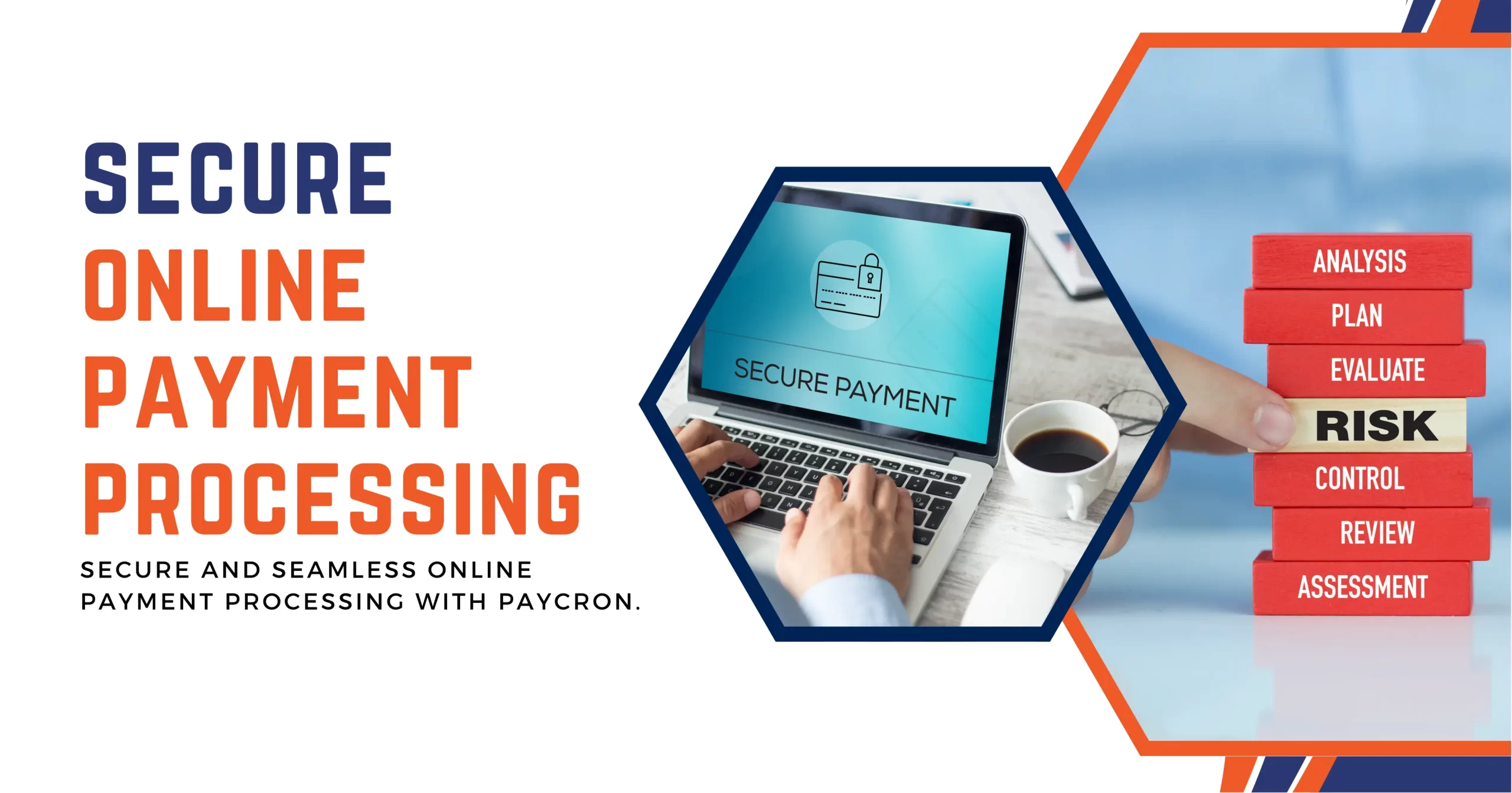
Secure and Seamless Online Payment Processing with Paycron!
Online transactions have revolutionized the way we do business, but they also come with inherent risks. In today’s digital age, data breaches, phishing scams, and cyberattacks are more common than ever. Even seemingly innocent actions—like clicking a malicious link—can expose sensitive financial information. This is especially true in the context of online payment processing where sensitive customer data is transmitted and stored digitally. That’s why digital entrepreneurs and business owners must take concrete steps to safeguard their systems and customer data. A proactive, well-informed approach to online payment security is no longer optional—it’s essential.
Do You Know How Significant a Payment Processing Company Is?
The payment processing company plays a critical role in enabling secure digital transactions. These companies act as a bridge between merchants, banks, and card networks to authorize and complete payments. More importantly, they handle the secure transmission of sensitive customer information, such as card data, while also monitoring for fraudulent activity.
Key responsibilities of a trusted payment processor include:
- Authorizing transactions in real-time
- Encrypting and tokenizing payment data
- Ensuring compliance with PCI DSS (Payment Card Industry Data Security Standards)
- Mitigating fraud through risk scoring and AI-based anomaly detection
This makes choosing the right payment processor vital for safeguarding your business and maintaining customer trust.
How Does Its Service Help You?
If you’re a business owner unsure whether your current payment provider is reliable or secure enough, you’re not alone. With rising cybersecurity threats and data privacy regulations, it’s important to work with a provider that prioritizes both security and compliance.
Here are some industry-best practices and measures that define the security capabilities of today’s leading payment processing companies:
Two-Factor Authentication Set in Motion —
Two-Factor Authentication (2FA) has become a standard feature across secure platforms, especially for eCommerce and financial services. By requiring two levels of verification—such as a password and a one-time passcode—2FA significantly reduces the risk of unauthorized account access.
Benefits of implementing 2FA:
- Prevents login attempts from unfamiliar devices or locations
- Sends real-time alerts for suspicious activities
- Strengthens the overall security posture of your online store or platform
If you’re running an e-commerce store or online service, enabling 2FA for both internal staff and customers should be a top priority.
Third-Party Assistance to Store Sensitive Client Data —
Storing sensitive customer data, especially payment details, requires high levels of compliance and security. Rather than managing this risk alone, many businesses in 2021 and beyond chose to partner with PCI compliant third-party service providers for secure data storage.
Third-party tools help:
- Tokenize customer data (replace card details with secure tokens)
- Minimize your PCI compliance burden
- Provide cloud-based vaulting with access controls and encryption
- Reduce liability and exposure to data breaches
This approach is especially valuable for subscription-based businesses that require recurring billing.
More Preference to E-Commerce Platforms —
Since the pandemic, there has been a major shift toward digital shopping, prompting a surge in eCommerce platforms. Platforms like Shopify, WooCommerce, BigCommerce, and Magento have continued to evolve, offering secure, scalable, and user-friendly infrastructure for merchants.
When selecting a platform, prioritize:
- Proven reputation (5+ years in market)
- PCI-compliant integrations with major payment gateways
- SSL certificates for encrypted checkout pages
- Support for fraud prevention and chargeback management tools
Choosing the right platform doesn’t just help you sell—it helps you sell securely.
Full-Fledged Security Assurance —
No platform, processor, or system can promise 100% security—but you can reduce your risk by adopting a layered approach. Beyond technology, cyber liability insurance is a wise investment to mitigate the financial impact of a breach.
Cyber insurance typically covers:
- Costs related to data breach investigations
- Legal and regulatory fines
- Notification to affected customers
- Business interruption losses
- Reputation management and recovery
With rising regulatory scrutiny and consumer expectations, having this safety net is essential for modern businesses.
Clarity of Client’s Payment Data —
Even after a transaction is completed, client payment data can remain vulnerable. Hackers often target stored or cached data, especially if it’s not properly encrypted or tokenized.
To protect customer data:
- Do not store sensitive card details unless absolutely necessary
- Use tokenization and vault solutions from trusted vendors
- Ensure all APIs and data transmissions are encrypted (HTTPS, TLS)
- Educate customers on recognizing phishing scams and spoofed websites
Transparency is also key. Make sure customers know how their data is being used, stored, and protected. This builds trust and satisfies emerging privacy laws like GDPR and CCPA.
Real-Time Fraud Monitoring and AI-Based Detection —
By 2021, leading payment processors had already started using AI-driven fraud detection systems that analyze user behavior and transaction patterns in real time.
These systems monitor:
- IP addresses and geolocation mismatches
- Device fingerprints and login anomalies
- Sudden changes in spending behavior
- Velocity checks (multiple transactions in short timeframes)
This technology helps reduce false declines, minimize chargebacks, and catch fraud before it happens—offering both customers and merchants peace of mind.
At Last, We Can Say That the Evaluation of the Payment Processing System Is Least Risky, While online payments will always carry some degree of risk, a robust and well-evaluated payment processing system dramatically lowers the likelihood of data breaches and fraud. Businesses that leverage the right technology, follow industry best practices, and stay up-to-date with evolving cyber threats can transact confidently and securely.
Why Choose Paycron?
Paycron provides secure, reliable, and PCI-compliant payment solutions tailored for businesses of all sizes. Our platform is equipped with:
- Two-factor authentication
- Tokenized data handling
- Real-time fraud detection
- 24/7 customer support
- Seamless integration with top eCommerce platforms
Whether you’re launching a startup or scaling an enterprise, Paycron empowers you to accept payments safely—anytime, anywhere.

More related blogs

- B2B
- merchant account approval
How the Corporate Transparency Act Affects Merchant Account Approvals? 
- B2B
- merchant account approval
- ACH E-commerce Payments
- pci level 1
What Is PCI DSS 4.0 Level 1 Certification and Why Is It Important?
- ACH E-commerce Payments
- pci level 1
- High Risk Processing
- corporate KYB compliance
How Your Business Structure Shapes Payment Processor Approval in 2026?
- High Risk Processing
- corporate KYB compliance


