June 5, 2020
echecks
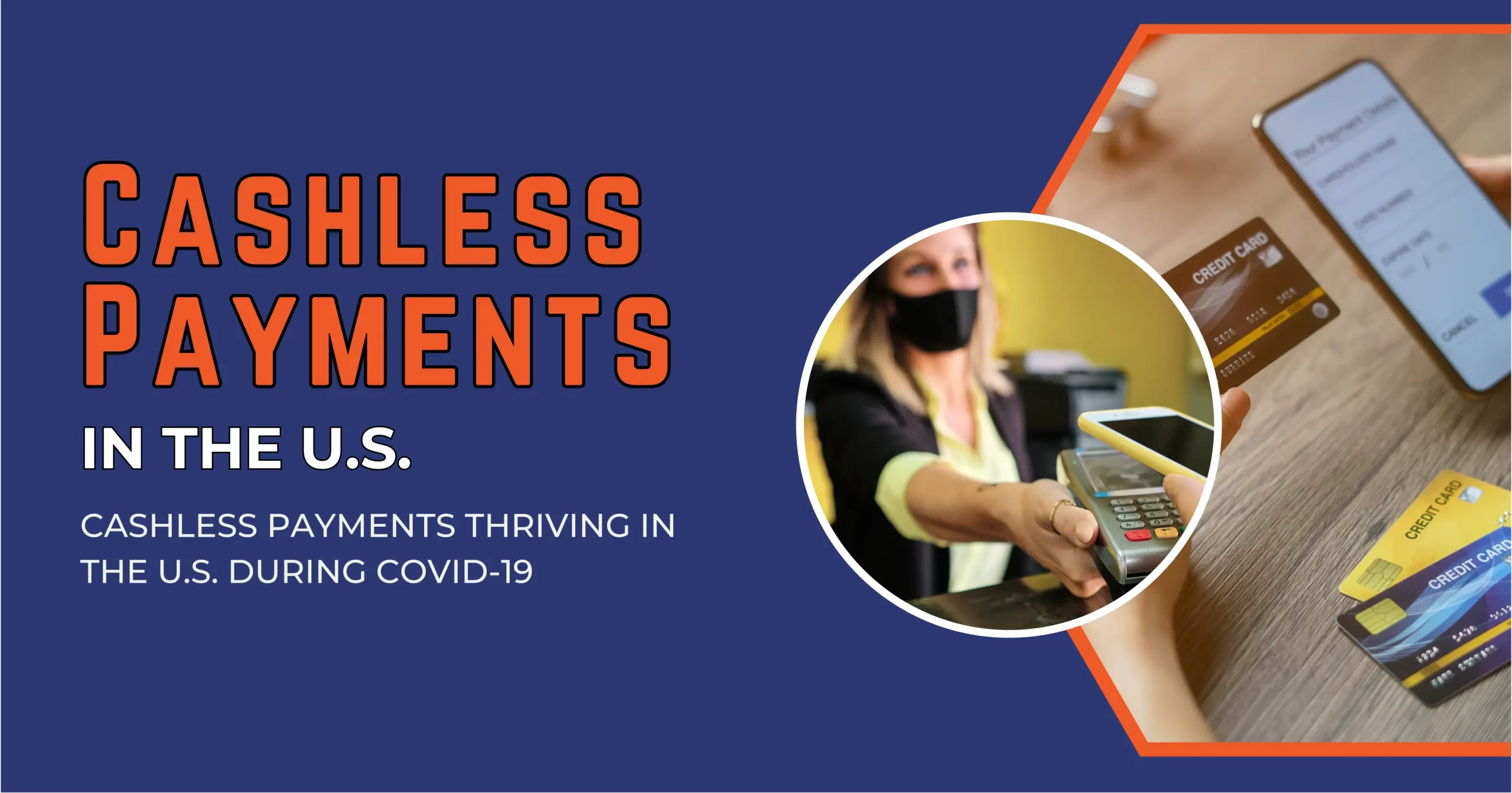
Cashless Payments Thriving in the U.S. During COVID-19
When COVID-19 hit, it reshaped how Americans shopped, paid, and interacted with businesses. Markets and customers suddenly felt more distant, and cash payments quickly took a backseat. Instead, online payments, cashless payments, which were already growing before 2020, exploded almost overnight.
And the experts? They weren’t surprised. As early as spring 2020, U.S. financial analysts reported a surge in cashless payments as people stayed home, turned to e-commerce, and relied heavily on banking apps. One estimate showed that digital payments grew by more than 70% in the first quarter of 2020 compared to pre-pandemic activity, a remarkable increase.
? ????? ?? ????????:
Banks Step Up to Meet Customers Where They Are —
To keep relationships strong during this crisis, many U.S. banks pivoted quickly. By enhancing their mobile apps and online platforms, they made it easier for customers to pay bills, shop online, and manage finances without leaving home.
Some banks even went the extra mile, integrating grocery delivery partners and essential retailers into their apps so customers could order food, medicine, or household supplies and pay seamlessly online. It wasn’t just about convenience; it was about maintaining trust and access during uncertain times.
At the same time, several banks temporarily waived or reduced transaction fees to encourage people to go digital instead of relying on cash. That move not only attracted new users but also reassured customers that banks had their backs in a tough moment.
The Numbers Behind the Shift —
The U.S. saw a sharp uptick in online banking and digital transactions throughout 2020:
- Bank of America reported record growth in mobile banking sign-ins and Zelle transfers.
- JPMorgan Chase highlighted double-digit increases in digital engagement, especially peer-to-peer payments.
- Public service payments, like utilities and taxes, also jumped as Americans adapted to paying bills online rather than in person.
Globally, the trend looked similar. For instance, in Vietnam, banks like VPBank and Military Bank saw digital transaction volumes jump by 25–50% compared to 2019, showing that this wasn’t just a U.S. phenomenon; it was a worldwide shift toward safer, contactless payments.
Why Online Payments Became the Safer Bet —
Honestly, during a pandemic, no one wanted to handle cash. Digital payments offered what people needed most: safety, convenience, and speed.
Mobile banking apps quickly became “all-in-one” financial tools. Instead of just checking balances or transferring money, customers could now:
- Pay utility bills
- Shop online
- Reserve hotels or tickets
- Transfer funds instantly
- Even set up digital savings linked to lifestyle apps, like food delivery or ride-sharing
Sacombank and other international players even experimented with linking savings accounts directly to delivery services, ideas that inspired U.S. fintech companies to push for similar innovations.
Building Trust in Digital Finance —
Of course, with more online activity comes a bigger question: Is it safe?
Banks in the U.S. invested heavily in cybersecurity, fraud detection, and staff training during COVID-19. By focusing on advanced authentication methods, like biometrics, real-time alerts, and AI-powered fraud monitoring, they helped build customer trust in cashless payments.
And customers noticed. Surveys showed Americans felt increasingly confident in mobile banking compared to pre-2020, thanks to visible efforts by banks to keep transactions secure.
What This Shift Means Going Forward —
Even though restrictions have eased, the habits formed during COVID-19 are sticking around. More Americans now prefer paying digitally, whether it’s through Apple Pay, PayPal, Zelle, or bank apps.
In fact, analysts believe the U.S. is on a long-term path toward a cash-light society, where digital transactions dominate everyday life. COVID-19 didn’t just speed things up; it changed the way we think about money for good.
FAQs – People also Ask:
Q1: What types of digital wallets became popular in the U.S. during COVID-19?
Apps like Apple Pay, Google Pay, PayPal, Venmo, and Zelle saw significant adoption, as they allowed fast, contactless payments both online and in stores.
Q2: Did small businesses in the U.S. benefit from online payments?
Yes. Many small businesses adopted digital payment solutions and mobile POS systems, which helped them stay open and serve customers remotely.
Q3: How did government stimulus checks influence online payments?
Most stimulus payments were distributed electronically, which encouraged millions of Americans to set up or rely more on direct deposit and digital banking.
Q4: What role did fintech companies play during the pandemic?
Fintech firms accelerated innovation by offering contactless payment solutions, instant peer-to-peer transfers, and flexible lending through digital platforms.
Q5: Were there any downsides to the rapid shift toward online payments?
Yes. Alongside convenience, there was an increase in fraud attempts and phishing scams, which pushed banks and users to adopt stronger cybersecurity measures.

More related blogs
- Best Merchant Services
- why payment processors require personal SSN for LLCs
How Your Business Structure Shapes Payment Processor Approval in 2026? 
- Best Merchant Services
- why payment processors require personal SSN for LLCs
- Payment Processor
- Paycron
The Ultimate Expert Guide to Text to Pay and Payment Links for Service Businesses.
- Payment Processor
- Paycron

- Virtual Terminal
- payment risk
How Payment Risk Is Actually Assessed by Processors — Beyond Credit Scores!
- Virtual Terminal
- payment risk


